Winter trail runs demand more than ordinary gym shorts. The right pair balances warmth, mobility, moisture management, storage, and compatibility with tights or base layers.
We selected 10 options ranging from insulated and thermal designs to lightweight lined shorts, compression styles, and versatile layering pieces for changing conditions.
Best 10 Trail Running Shorts for Winter Picks for 2026
Best Everyday Trail Short
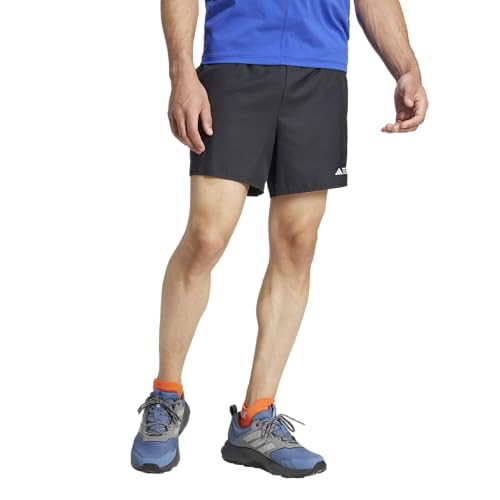
- Regular fit with adjustable drawcord waist
- Five-inch inseam and multiple pockets
- 100% recycled polyester construction
Best For: Mild-weather runs and layering
Best Storage-Focused Option

- Eight side pockets for trail essentials
- Lightweight woven polyester fabric
- Built-in briefs and approximately 13 cm length
Best For: Long trail runs requiring extra storage
Best Performance Liner

- Stretch CORDURA fabric with high mobility
- Compression liner and anti-slip leg grippers
- Waistband storage plus reflective details
Best For: Racing and demanding endurance trail runs
Best Cold-Weather Layer

- 90/10 duck-down insulation for targeted warmth
- Full-length side zippers ease layering
- Wind- and water-resistant lightweight shell
Best For: Extra warmth in severe winter conditions
Best for Easy Setup
Men's Compression Running Tights

- Six-pocket storage with reflective strips
- Compression fit with adjustable drawstring
- Moisture-wicking four-way stretch fabric
Best For: Layering under trail shorts for cool-weather training
Trail-Mileage Pick
Haimont APEX 8-Inch Trail Shorts

- Linerless design works over thermal layers
- Lightweight quick-dry stretch fabric
- Stable storage and trekking pole loops
Best For: Layering over tights for long winter trail runs
Warmest Option
Pudolla Men's Thermal Running Tights

- Fleece-lined fabric for 20–50°F conditions
- Water-repellent finish for light moisture
- Three zippered pockets and reflective details
Best For: Cold-weather running with full-length coverage
Versatile Winter Trail Pick
G Gradual Compression-Liner Shorts

- Supportive 2-in-1 compression liner
- Two zip pockets plus liner pocket
- Lightweight, quick-drying stretch fabric
Best For: Mild-winter runs and active workouts needing storage
Airflow-Focused Winter Layer
maamgic Ultra-Light Lined Shorts

- Ultra-light four-way stretch fabric
- Perforated panels improve airflow
- Multiple zip pockets and phone pocket
Best For: High-output runs in mild winter conditions
Long-Distance Trail Utility

- 360-degree waistband storage
- Padded rear pole-hanging system
- Silicone leg grip and UPF 50+
Best For: Long trail efforts carrying nutrition and lightweight gear
Best Everyday Trail Short – adidas Terrex Multi Light
For mild winter days or layering with tights, the adidas Terrex Multi Light is a practical option among trail running shorts for winter. Its regular fit, adjustable waistband, and five-inch inseam balance everyday comfort with trail-ready utility.
Best For: Runners who want versatile shorts for light outdoor use, especially when paired with a warmer base layer.
Pros:
- Regular fit offers a balance between loose and snug.
- Drawcord waist allows an adjustable fit.
- Front pockets and a rear zip pocket provide useful storage.
- Made with 100% recycled polyester.
Cons:
- Listed for spring and summer rather than dedicated cold-weather use.
- Five-inch length may provide limited coverage in colder conditions.
This is a lightweight, straightforward choice for transitional weather. For true winter running, plan to add thermal tights or another insulating layer.
Best Storage-Focused Option – Nike Second Sunrise Dri-FIT
The Nike Second Sunrise Dri-FIT trail shorts are a useful choice for runners who prioritize carrying essentials. Their lightweight woven fabric, built-in briefs, and approximately 13-centimeter length make them suitable for trail running, though winter use may call for an additional layer.
Best For: Trail runners who need substantial storage for small essentials on longer outings.
Pros:
- Designed specifically for trail runs.
- Lightweight woven polyester construction.
- Built-in brief lining offers integrated coverage.
- Eight side pockets provide extensive storage.
Cons:
- Listed for spring and summer, so they are not an insulating winter short.
- Hand-wash-only care may be less convenient.
With eight side pockets, this model stands out for carrying capacity. Treat it as a lightweight shell for winter layering rather than a standalone cold-weather garment.
Best Performance Liner – Haimont APEX 4-Inch
The Haimont APEX is a performance-oriented pick among trail running shorts for winter when paired with suitable cold-weather layers. Its stretch CORDURA fabric, compression liner, stable waistband storage, and reflective details are designed for demanding trail movement.
Best For: Fast trail running, racing, and endurance training where mobility, liner support, and bounce-resistant storage matter.
Pros:
- Lightweight stretch CORDURA fabric is designed for abrasion resistance.
- Integrated compression liner helps support muscles and reduce chafing.
- Wide waistband includes multiple storage zones for gels, flasks, keys, and phones.
- Reflective details improve visibility in low light.
Cons:
- Four-inch split-leg design offers limited leg coverage for cold conditions.
- Compression liner and high-rise fit may not suit runners who prefer relaxed shorts.
This is the strongest technical option in the group for high-output trail use. Its lightweight design is better suited to winter layering than standalone warmth.
Best Cold-Weather Layer – Duck Down Insulated Shorts
These insulated down shorts are the most winter-specific option in this roundup. Filled with 90/10 white duck down and built with a wind- and water-resistant shell, they can add targeted warmth over or under running layers, although they are designed primarily for skiing and winter outdoor use rather than running.
Best For: Cold-weather layering when extra warmth around the hips, thighs, and glutes is more important than running-specific mobility.
Pros:
- 90/10 white duck down provides targeted insulation.
- Full-length side zippers make layering easier.
- Lightweight design packs into a compact carry pouch.
- Wind-resistant, water-resistant shell helps protect against light moisture.
Cons:
- Non-stretch fabric and a knee-length design may restrict running movement.
- Designed for skiing and general outdoor warmth rather than trail running.
- Dry-clean-only care is less convenient.
Choose these for warmth during cold starts, breaks, or layering over running clothing. They are a supplemental insulation piece, not a replacement for lightweight trail shorts.
Best for Easy Setup – Men's Compression Running Tights
For winter trail running shorts, these compression tights work well as a supportive base layer underneath shorts. Their stretch fabric, UPF 50+ protection, reflective details, and multiple pockets suit runners who want added coverage and storage for outdoor training.
Best For: Runners layering tights under trail shorts for cool-weather workouts, hiking, cycling, or gym training.
Pros:
- Six-pocket layout provides storage for a phone, keys, and other small essentials.
- Targeted compression, a two-tier waistband, and drawstring help create a stable fit.
- Moisture-wicking, four-way stretch fabric includes UPF 50+ protection.
- Reflective strips improve visibility during low-light runs.
Cons:
- These are full-length tights rather than shorts, so they need to be worn under or instead of trail shorts.
- The notes do not specify thermal or fleece lining for winter warmth.
This is a versatile layering option when you want compression, substantial pocket capacity, and visibility without sacrificing mobility. For colder conditions, pair it with winter trail running shorts and other insulating layers.
Trail-Mileage Pick – Haimont APEX 8-Inch Trail Shorts
Among trail running shorts for winter, these linerless 8-inch shorts are best suited to runners who prefer pairing lightweight shorts with their own thermal or compression layer. The stretch fabric, stable storage system, and trekking pole loops are practical for long trail sessions.
Best For: Trail runners who want unlined shorts to wear over tights or a preferred base layer during winter training.
Pros:
- Linerless construction lets you choose the preferred winter base layer.
- Lightweight, quick-drying stretch fabric supports movement on climbs and technical terrain.
- Waistband storage, a rear zip pocket, and trekking pole loops help organize essentials.
- Seam-reducing construction is designed to help minimize chafing on high-mileage runs.
Cons:
- The shorts are lightweight and include ventilation perforations, so they provide little warmth on their own.
- They are designed without a built-in liner, requiring a separate base layer for coverage and insulation.
These shorts are a strong shell-style choice for winter trail runners who already have thermal tights or compression shorts. Their linerless design offers flexibility, but they are not a standalone cold-weather solution.
Warmest Option – Pudolla Men's Thermal Running Tights
These thermal tights are a practical companion to winter trail running shorts when temperatures drop. Fleece lining, water resistance, ankle zippers, and reflective details provide the coverage and utility needed for cold-weather running and outdoor activities.
Best For: Runners seeking a warm, fleece-lined layer to wear with or instead of winter trail running shorts in temperatures listed from 20–50°F.
Pros:
- Fleece-lined thermal fabric is designed for cold-weather use.
- Water-repellent finish helps handle light moisture and wind.
- Three zippered pockets securely hold a phone, wallet, cards, or keys.
- Reflective elements and ankle details support visibility during dark runs.
Cons:
- At a 28-inch inseam, these are full-length tights rather than shorts.
- They are listed for hand washing only, which is less convenient than machine-washable alternatives.
- Medium stretch may feel less flexible than high-stretch running tights.
For genuinely cold trail outings, this is the most winter-focused option of the three. Wear it under trail shorts for extra warmth, or use it alone when you prefer full-length coverage and secure zippered storage.
Versatile Winter Trail Pick – G Gradual Compression-Liner Shorts
For runners seeking trail running shorts for winter, these G Gradual 2-in-1 shorts provide a supportive compression liner, lightweight stretch fabric, and practical storage. They are better suited to milder winter conditions or layering than to cold-weather insulation.
Best For: Runners who want phone-friendly storage and liner support for workouts, running, and everyday active wear.
Pros:
- Compression liner provides support without an overly tight feel.
- Two outer zip pockets plus a liner pocket offer useful storage.
- Lightweight, quick-drying, high-stretch fabric supports unrestricted movement.
- Adjustable drawstring and reflective pocket details add practical convenience.
Cons:
- Lightweight construction does not provide described cold-weather insulation.
- The 5-inch inseam may offer limited leg coverage in colder conditions.
This is a flexible option for winter trail training when temperatures are moderate or when paired with additional layers. Its strongest advantages are the secure liner fit, deep zip pockets, and quick-drying fabric.
Airflow-Focused Winter Layer – maamgic Ultra-Light Lined Shorts
These maamgic shorts can work as trail running shorts for winter when used as part of a layered system. Their ultra-light fabric, soft inner brief, and perforated panels emphasize airflow and quick drying rather than warmth.
Best For: High-output runners who prioritize ventilation, freedom of movement, and extensive pocket capacity.
Pros:
- Ultra-light, four-way-stretch construction feels unrestrictive.
- Perforated side and crotch panels increase airflow.
- Inner mesh compression brief adds support and quick drying.
- Back and side zip pockets, plus a liner phone pocket, provide ample storage.
Cons:
- Ventilated, ultra-light construction is not described as insulating for cold winter weather.
- The 5.5-inch inseam may leave the legs exposed in colder conditions.
Choose these for milder winter trails, indoor training, or runs where sweat management matters more than coverage. The side-slit hem and flexible fabric are especially useful for unrestricted movement.
Long-Distance Trail Utility – FlipBelt Compression Shorts
For trail running shorts for winter, the FlipBelt compression shorts stand out for carrying essentials and securing gear during longer efforts. Their medium-weight nylon-spandex construction offers more substantial coverage than ultra-light options, though the notes do not indicate thermal insulation.
Best For: Trail runners who need bounce-resistant storage, pole or jacket carry, and secure leg coverage for long-distance efforts.
Pros:
- 360-degree waistband storage fits a phone, keys, headphones, and energy gels.
- Rear pole-hanging system includes padded zones for added support.
- Silicone leg grips help reduce ride-up during extended movement.
- UPF 50+ fabric provides stated UV protection.
Cons:
- Thermal insulation for cold winter conditions is not specified.
- Pull-on compression design may feel less adjustable than drawstring shorts.
- Storage is integrated into the waistband rather than provided by traditional outer pockets.
This is the most trail-oriented choice of the three, particularly for runners carrying nutrition, a phone, or lightweight gear. For colder winter outings, consider pairing it with additional leg layers since warmth is not a stated feature.
How We Picked the Best Trail Running Shorts for Winter
We focused on the features that matter most when running on cold, exposed, or wet trails: insulation, liner construction, fabric performance, range of motion, pocket design, waistband security, and layering flexibility. The lineup includes true winter pieces as well as shorts that work over tights or compression pants when temperatures fluctuate.
Because winter conditions vary widely, no single design suits every runner. Insulated shorts can add meaningful warmth in freezing weather, while lightweight lined models are often better for high-output efforts or mild winter days. We also considered inseam length, since longer shorts provide more coverage while shorter cuts reduce bulk and improve freedom of movement.
Quick Comparison
- Best for lightweight trail layering: adidas Terrex Multi Light and Haimont APEX 8-inch shorts.
- Best for built-in support: Haimont APEX 4-inch, G Gradual, Nike, and maamgic lined styles.
- Best for maximum warmth: the insulated duck-down shorts.
- Best for cold-weather base layering: Pudolla thermal tights or quick-dry compression pants.
- Best for secure storage: FlipBelt compression shorts and models with multiple zip pockets.
Key Buying Factors for Trail Running Shorts for Winter
Warmth and Layering
For genuinely cold conditions, look for insulation or pair running shorts with thermal tights. Down-style shorts provide the most warmth but are bulkier and less suitable for high-sweat efforts. Lightweight shell shorts are more versatile over base layers and can block wind without overheating.
Liner and Fit
A compression liner can reduce chafing, provide support, and replace separate underwear. Linerless shorts offer more room for layering and may feel less restrictive. Check the inseam carefully: 4- to 5-inch cuts prioritize mobility, while 7- to 9-inch designs offer additional coverage and a more secure feel on exposed trails.
Fabric and Weather Protection
Quick-drying synthetic fabric is useful in snow, drizzle, and heavy exertion. For windy routes, prioritize a denser outer fabric or insulated construction. Shorts are not a substitute for waterproof trousers in prolonged rain, so consider how they fit into your wider shell system.
Pockets and Waistband Security
Winter runs often require extra storage for gloves, nutrition, and a phone. Zippered pockets keep valuables secure, while integrated belt systems can reduce bouncing. A stable drawcord and comfortable waistband are especially important when shorts are worn over tights.
Who Should Buy Which Trail Running Shorts for Winter?
Choose insulated duck-down shorts if warmth is the priority for walking, skiing, recovery, or very cold low-intensity outings. Select thermal tights or quick-dry compression pants when you want full-leg coverage beneath a shell short. Runners who prefer built-in support should consider a lined design from Nike, Haimont, G Gradual, or maamgic.
For fast trail sessions and mild winter weather, lightweight adidas or Haimont linerless shorts provide easier movement and less bulk. If carrying essentials without a vest is important, the FlipBelt option or a multi-pocket thermal tight is the more practical choice. Before buying, match the garment’s warmth and coverage to your typical temperature range, running intensity, and preferred layering system.