Loose gravel, fine dust, and stray trail debris can ruin a run faster than most runners expect. The best trail running gaiters add a simple barrier that helps keep shoes cleaner and feet more comfortable over long miles.
For this roundup, we focused on low-profile options designed for running rather than bulky mountaineering use. Fit, attachment security, breathability, and day-to-day trail practicality mattered most.
Best 7 Trail Running Gaiters Picks for 2026
Best Low-Profile Fit

- Low-profile design reduces bulk
- Blocks dirt, pebbles, and dust
- Well suited to faster trail runs
Best For: Trail runners who want lightweight, minimal coverage for dry to moderately loose terrain.
Best for Altra Shoes

- Integrates with many Altra trail shoes
- Lightweight design for low-bulk coverage
- Helps keep grit and small debris out
Best For: Altra trail runners who want lightweight debris protection without a bulky gaiter.
Best for Wet & Muddy Trails

- Waterproof fabric blocks mud, sand, and snow
- Lightweight, packable ankle-height design
- Adjustable fit with lace hook and foot strap
Best For: Trail runners and hikers needing lightweight gaiters for wet, muddy, or sandy conditions.
Best for Topo Trail Shoes

- Ultralight stretch nylon design
- Easy hook-and-loop on/off
- Secure 3-hook fit on compatible shoes
Best For: Runners using compatible Topo trail shoes who want lightweight debris protection.
Best Budget All-Season Coverage
Trail Gaiters Low Shoes Gaiters
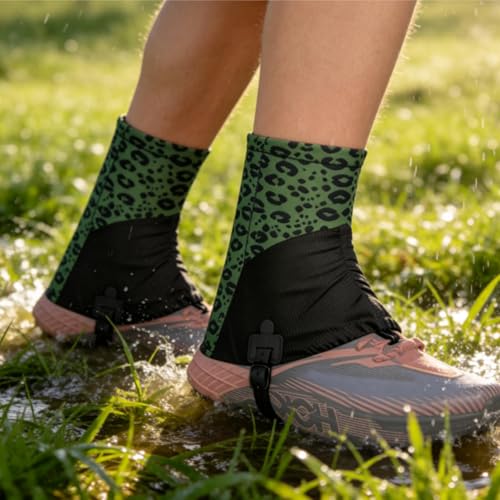
- Breathable and lightweight for all-season wear
- Blocks sand, mud, and light moisture from entering shoes
- Adjustable fit with lace hook and durable foot strap
Best For: Budget-minded runners and hikers who want lightweight ankle gaiters for mixed trail conditions.
Best Ultralight Coverage
Frelaxy Ultralight Trail Gaiters

- Featherlight 2.29 oz design
- 4-point system for a secure fit
- Helps block rocks, dust, and mud
Best For: Runners and hikers who want lightweight debris protection for low-cut trail shoes.
Best for Secure Fit
Trail Gaiters Low Shoes Gators

- Four-point fixed system stays in place
- Covers laces to block gravel and dirt
- Breathable Lycra with durable Hypalon band
Best For: Trail runners and hikers who want a snug low-cut gaiter for debris protection.
Best Low-Profile Fit – Salomon Trail Gaiters Low
If you want trail running gaiters that add light debris protection without the bulk of taller models, the Salomon Trail Gaiters Low are a straightforward pick. Their low-cut design is aimed at runners who mainly need help keeping gravel, dust, and small trail junk out of their shoes on faster runs.
Best For: Trail runners who want a lightweight, minimal gaiter for dry to moderately loose terrain.
Pros:
- Low-profile design feels less bulky than taller gaiters
- Helps block dirt, pebbles, and light trail debris from entering shoes
- Good match for runners prioritizing speed and simplicity
Cons:
- Lower coverage than mid-height or full-height gaiters
- Less ideal for deep mud, snow, or very rough off-trail conditions
For runners who prefer minimal gear, these trail running gaiters make sense as an everyday option for cleaner, faster-moving trails. They are not the most protective choice overall, but they strike a practical balance between comfort, weight, and basic debris control.
Best for Altra Shoes – ALTRA Unisex Trail Gaiter
If you run in dusty, pebbly, or loose terrain, the ALTRA Unisex Trail Gaiter is a streamlined option designed to keep debris out without adding much bulk. Among trail running gaiters, this model stands out for its compatibility with Altra trail shoes and its low-profile approach for runners who want simple protection rather than heavy coverage.
Best For: Altra trail runners who want a lightweight gaiter for keeping sand, grit, and small trail debris out of their shoes.
Pros:
- Designed to integrate cleanly with many Altra trail shoes
- Lightweight, minimalist build feels less intrusive on the run
- Helps block dirt, gravel, and trail debris from entering shoes
Cons:
- Most useful if you already wear compatible Altra footwear
- Low-cut design offers less protection than taller gaiters
For runners who prioritize comfort and brand-specific fit, this is a practical pick in trail running gaiters. It makes the most sense for everyday trail mileage where you want to reduce shoe debris without moving to a bulkier, more protective gaiter style.
Best for Wet & Muddy Trails – Low Waterproof Oxford Gaiters
If you want affordable trail running gaiters that focus on keeping out water, sand, and trail debris, this low-cut Oxford-cloth pair is a practical option. The design emphasizes full shoe coverage, adjustable fit, and packable portability for runners and hikers who deal with messy conditions.
Best For: Trail runners, hikers, and outdoor users who need lightweight ankle gaiters for wet, muddy, or sandy terrain.
Pros:
- Waterproof Oxford fabric helps block snow, rain, mud, sand, and small debris.
- Lightweight, foldable design is easy to stash in a running vest or daypack.
- Adjustable top, boot buckle, and lace hook improve fit and help keep gaiters secure.
Cons:
- Heavier-duty material may feel less minimal than ultralight trail running gaiters.
- Generic styling and broad use-case focus mean fewer run-specific performance details.
For buyers prioritizing weather protection over minimalist race weight, these trail running gaiters make sense as a budget-friendly crossover pick. They are especially useful for sloppy shoulder-season runs, light mountain outings, and mixed hiking-running days where keeping shoes dry matters more than shaving ounces.
Best for Topo Trail Shoes – Topo Performance Trail Gaiter
If you want trail running gaiters that are light, simple, and designed to integrate cleanly with compatible footwear, the Topo Performance Trail Gaiter is an easy option to shortlist. Its stretch nylon build focuses on keeping small debris like dirt, pebbles, and twigs out of your shoes without adding much weight or bulk.
Best For: Runners using compatible Topo trail shoes who want a lightweight gaiter with quick on-trail attachment.
Pros:
- Very lightweight stretch nylon construction helps preserve a natural running feel.
- Hook-and-loop closure makes attachment and removal easier without taking shoes off.
- 3-hook fastening system provides a secure fit on compatible Topo trail shoes.
Cons:
- Best performance depends on having compatible Topo trail shoes with the designed hook setup.
- Focused more on debris protection than on heavy-duty wet or rugged conditions.
For runners who already wear Topo trail footwear, these trail running gaiters offer a neat, low-fuss solution for everyday singletrack and dusty routes. They are especially appealing if you value low weight, easy access, and a fit that stays put through steady miles.
Best Budget All-Season Coverage – Trail Gaiters Low Shoes Gaiters
If you want affordable trail running gaiters that also work for hiking, muddy trails, and light snow, this low-cut pair focuses on practical protection without adding much bulk. The breathable Oxford fabric, adjustable fit, and compact design make them a simple option for runners and hikers who need basic debris and moisture defense.
Best For: Budget-minded runners, hikers, and outdoor users who want lightweight ankle-height protection for mixed trail conditions.
Pros:
- Breathable, lightweight design is easier to wear in warmer weather than heavier gaiters.
- Water-, sand-, and mud-blocking Oxford cloth helps keep debris and moisture out of shoes.
- Adjustable top band, boot buckle, and lace hook help create a more secure fit.
Cons:
- Low ankle-height coverage may not be enough for deep snow or very wet brush.
- Generic fit may take some adjustment depending on your shoe shape.
For shoppers who need simple, packable trail running gaiters for everyday trail use rather than extreme mountain conditions, this pair offers solid value. It is especially appealing if you want one affordable set that can move between running, hiking, yard work, and wet-weather outings.
Best Ultralight Coverage – Frelaxy Ultralight Trail Gaiters
If you want trail running gaiters that add protection without making your shoes feel heavier, this Frelaxy pair stands out for its featherlight build and secure fit system. It’s designed to keep rocks, dust, mud, and small debris out while staying low-profile enough for faster movement on mixed terrain.
Best For: Runners and hikers who want lightweight debris protection for trail shoes without the bulk of taller gaiters.
Pros:
- Very light at just 2.29 oz, making them easy to wear on long runs or hikes.
- 4-point hold system helps keep the gaiters secure during movement.
- Wraparound coverage helps block rocks, dust, mud, bugs, and trail brush.
Cons:
- Low-cut design offers less lower-leg coverage than full-height gaiters.
- Fit and performance can vary depending on shoe shape and outsole design.
For buyers comparing trail running gaiters for comfort, weight, and everyday versatility, this is a strong option for trail shoes, light hikers, and runners who care more about freedom of movement than maximum weather protection.
Best for Secure Fit – Trail Gaiters Low Shoes Gators
If you want trail running gaiters that stay put without constant mid-run adjustments, this low-profile pair focuses on a more locked-in fit. Its four-point fixed system is designed to keep debris out while covering the laces well on trail shoes and light hiking footwear.
Best For: Trail runners and hikers who want a snug, low-cut gaiter for blocking gravel, dirt, and light moisture.
Pros:
- Four-point fixed system helps reduce slipping and readjustment on the move.
- Full lace-area coverage keeps pebbles, mud, sand, and snow out of shoes.
- Hypalon rubber bottom band and Lycra upper balance durability, stretch, and breathability.
Cons:
- Low-cut design offers less leg coverage than taller gaiters.
- Fit and sealing performance may vary depending on shoe shape and outsole design.
For runners who prioritize staying power over extra height, these trail running gaiters make a practical pick for everyday trail use. They are especially appealing if you want lightweight debris protection for running, hiking, and mixed outdoor travel.
How We Picked the Best Trail Running Gaiters
We prioritized models built for actual running use: low-cut coverage, light materials, and secure attachment systems that stay put at changing paces. We also looked for options that balance debris protection with airflow, since Trail Running Gaiters should help keep out sand, pebbles, and dry trail litter without making shoes feel hot and swampy.
Other key considerations included durability around the instep and heel, stretch for easy on-off use, compatibility with common trail shoes, and overall value. Because runners use gaiters in very different conditions, we included both brand-specific designs and more universal styles.
Quick Comparison
Best for Brand-Specific Fit
Gaiters made by the same shoe brand often offer the cleanest integration, especially when they are designed around matching attachment points or heel geometry.
Best for All-Around Value
Universal stretch gaiters can be a smart choice if you want simple debris protection across multiple pairs of shoes without paying premium-brand pricing.
Best for Dry, Dusty Trails
Breathable low-cut designs work well for summer singletrack, gravel, and long runs where ventilation matters as much as coverage.
Best for Mixed Conditions
If your routes include mud, shallow snow patches, or wet brush, look for tougher fabric panels and a more secure underfoot or heel attachment system.
Key Buying Factors for Trail Running Gaiters
Fit and Shoe Compatibility
The best fit is snug enough to seal out debris without pulling tightly across the ankle. Some Trail Running Gaiters are shaped for specific brands, while others use hook-and-loop or universal attachment methods. Check whether your shoes have a gaiter trap, heel tab, or suitable surface for adhesive fastening.
Attachment Security
A gaiter that shifts or peels away mid-run quickly becomes annoying. Look for reliable front hooks, durable heel retention, and attachment patches that can handle dust, moisture, and repeated removal.
Breathability
Most runners do not need waterproof protection. In many cases, lighter mesh or stretch nylon is better because it blocks trail debris while allowing heat and moisture to escape.
Durability
Thin materials feel great on fast runs, but rocky trails can wear out high-friction areas. Pay attention to reinforcement around the lower edge, heel contact points, and any straps or adhesive anchors.
Coverage Height
Low gaiters are usually the right choice for trail running. They are lighter, cooler, and less restrictive than taller hiking gaiters, while still protecting against the debris most runners deal with regularly.
Who Should Buy Which Trail Running Gaiters?
Runners on Dry, Loose Trails
Choose a lightweight, highly breathable low gaiter. This is the best match for keeping out grit and pebbles during daily training without adding much bulk.
Runners Loyal to One Shoe Brand
If you mainly run in one brand and that company offers a matching gaiter, the integrated fit is often worth it. These options can be easier to install and less likely to shift.
Budget-Minded Buyers
A universal model makes sense if you want affordable protection or plan to use gaiters across several pairs of shoes. Just confirm the attachment system will work with your footwear before buying.
Runners in Rougher or Mixed Terrain
Pick a tougher gaiter with better edge reinforcement and stronger retention. You may give up a little airflow, but the added security can be worth it on rocky, muddy, or variable routes.
Final Take
The right Trail Running Gaiters should disappear once your run starts. Prioritize secure fit, ventilation, and compatibility with your shoes, then choose the lightest option that still matches your trail conditions. For most runners, a low-profile breathable design offers the best balance of comfort and protection.