Portable oxygen cans are easy to pack, but choosing one for a mountain trip takes more than comparing the liters on the label. Delivery method, claimed inhalations, and how many cans you carry all affect practical use.
These 10 options span pocket-size cans, multipacks, and larger containers with masks or breathing cups. None should be mistaken for the regulated oxygen system or medical care needed for serious altitude illness.
Best 10 Oxygen Canisters for Mountain Climbing Picks for 2026
Outdoor Four-Pack
Boost Oxygen Outdoors 10L Canisters

- Four 10L canisters
- 99.5% oxygen; non-medical use
- Lightweight, recyclable cans
Best For: Groups or repeat outdoor outings
Single 12L Canister
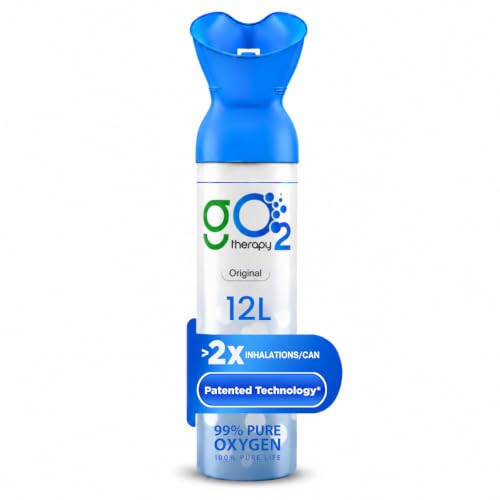
- One 12L aluminum canister
- Up to 450 stated inhalations
- Mouth-and-nose mask included
Best For: Hikers wanting one canister with a mask
Unscented Five-Pack
Boost Oxygen Natural 10L Canisters

- Five 10L canisters
- 99.5% oxygen; no added aroma
- Recyclable, portable cans
Best For: Groups wanting multiple unscented cans
Two-Can 12L Pack
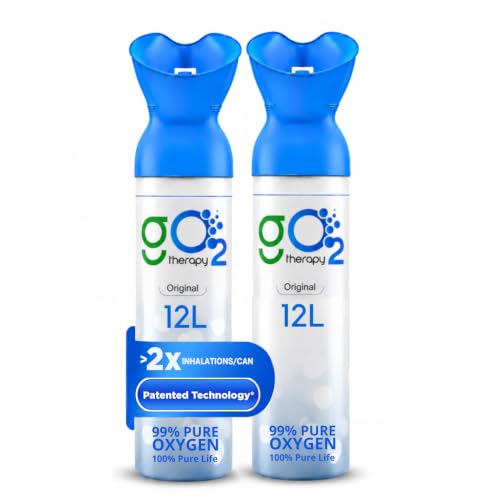
- Two 12L aluminum canisters
- Up to 900 stated inhalations total
- 99% oxygen
Best For: Splitting between two hikers or keeping a spare
Balanced Four-Pack
Boost Oxygen Natural 5L Canisters

- Four 5L canisters
- 99.5% oxygen; no added aroma
- Lightweight and recyclable
Best For: Hikers wanting a middle-size, non-medical option
Higher-Capacity Pack

- Six 10L cans
- 99.99% oxygen in sealed canisters
- Flip-top cap for on-the-go use
Best For: Groups or frequent hikers prioritizing capacity
Pocket-Size Pick
Boost Oxygen Natural 3L Canisters

- Four pocket-size 3L canisters
- 99.5% oxygen; no added aroma
- Designed for brief, on-the-go use
Best For: Hikers prioritizing compact size for brief use
Compact Three-Pack
O2 Blast 10L Portable Oxygen Cans

- Three 10-liter cans
- Flip-top, backpack-friendly design
- 99.99% pure oxygen stated
Best For: Hikers wanting several compact recreational-use cans
Mask-and-Tube Kit

- 35-liter stated capacity
- Mask and tube included
- Single-canister package
Best For: Outdoor users wanting a larger can with mask and tube
Breathing-Cup Three-Pack

- Three 22-liter cans
- Breathing-cup design
- Compact backpack-friendly format
Best For: Groups wanting separate recreational-use cans
Outdoor Four-Pack – Boost Oxygen Outdoors 10L Canisters
For shoppers comparing oxygen canisters for mountain climbing, this four-pack offers 10 liters of 99.5% oxygen per canister in a lightweight, recyclable format. The camouflage-label edition is marketed for hiking and other outdoor activities.
Best For: Groups or repeat outings where four portable canisters are useful.
Pros:
- Four 10L canisters provide multiple cans to distribute or pack separately.
- Contains 99.5% oxygen with no prescription required for non-medical use.
- Lightweight, recyclable canisters made in Connecticut.
Cons:
- Four separate canisters take more pack space than one.
- Not a substitute for medical oxygen or an altitude-safety plan.
This is a practical multipack if you want individually portable cans for outdoor trips. Treat it as supplemental, non-medical oxygen rather than essential climbing safety equipment.
Single 12L Canister – gO2Therapy Portable Oxygen
If you want one can while comparing oxygen canisters for mountain climbing, this portable 12L option is advertised for up to 450 inhalations. Its compact aluminum canister comes with a single mouth-and-nose mask and is listed at 7.05 ounces.
Best For: Hikers who prefer one compact canister with an included mask.
Pros:
- 12L capacity with a stated maximum of 450 inhalations.
- Includes a mouth-and-nose mask.
- Listed at 7.05 ounces and designed to fit in a backpack.
Cons:
- Actual inhalation count may vary with use.
- A single canister offers no second can if it runs out.
The included mask and stated inhalation count distinguish this single-can option. It is supplemental oxygen, not a replacement for acclimatization or emergency care.
Unscented Five-Pack – Boost Oxygen Natural 10L Canisters
Among oxygen canisters for mountain climbing, this five-pack suits buyers who want unscented supplemental oxygen spread across several portable cans. Each recyclable canister contains 10 liters of 99.5% oxygen, with no added aroma.
Best For: Sharing among a group or stocking multiple trips with unscented canisters.
Pros:
- Five separate 10L canisters.
- Natural version has no added aroma.
- Lightweight, recyclable cans manufactured in Connecticut.
Cons:
- The five-pack requires more storage and packing space than a single can.
- Intended for non-medical use, not as a substitute for medical oxygen.
Choose this pack when quantity and an aroma-free option matter more than carrying the fewest cans. Plan altitude exposure independently of any supplemental oxygen product.
Two-Can 12L Pack – gO2Therapy Portable Oxygen
For buyers comparing oxygen canisters for mountain climbing, this two-pack provides two portable 12L aluminum cans rather than one. The listing advertises up to 450 controlled inhalations per canister, or up to 900 across the pack, and describes the oxygen as 99% pure.
Best For: Two hikers splitting a pack or one buyer wanting a second canister.
Pros:
- Two 12L canisters with up to 900 advertised inhalations combined.
- Compact aluminum cans described as weighing about 7 ounces each.
- 99% oxygen; listing states production in WHO-GMP and ISO-certified facilities.
Cons:
- Inhalation totals are maximum advertised figures, not guaranteed usage.
- Two cans take more pack room than one.
The two-can format gives you flexibility to split supplies or keep a spare. Despite the altitude-oriented marketing, do not rely on it to prevent or treat altitude illness.
Balanced Four-Pack – Boost Oxygen Natural 5L Canisters
For shoppers comparing oxygen canisters for mountain climbing, this four-pack offers 5 liters of unscented, 99.5% oxygen per canister in a portable format. It is intended for non-medical use, not as a substitute for altitude-safety planning.
Best For: Hikers who want a middle-size canister and several spares for brief, non-medical use.
Pros:
- Four 5L canisters provide more oxygen per can than the pocket-size 3L option.
- Natural formula has no added aroma.
- Lightweight, recyclable canisters are made in the USA.
Cons:
- A 5L canister offers less capacity than a 10L option.
- Not intended for medical use.
This is a practical capacity-versus-portability choice when you want multiple canisters rather than the smallest possible size.
Higher-Capacity Pack – O2 Blast 10L Flip-Top Cans
Among oxygen canisters for mountain climbing, O2 Blast stands out for its six 10L cans and flip-top caps. Each sealed can is filled with 99.99% oxygen and is marketed for hiking and other active, on-the-go uses.
Best For: Groups or frequent hikers who prioritize more oxygen per can and a six-can supply.
Pros:
- Six 10L cans offer more stated capacity per can than the 3L and 5L choices here.
- Flip-top cap and backpack-friendly design suit on-the-go use.
- Sealed canisters contain 99.99% oxygen.
Cons:
- Its listed package weight is 1.69 pounds, so account for carrying the full pack.
- A 10L can is larger than a pocket-size alternative.
Choose this pack when capacity matters more than minimizing canister size; canned oxygen should not replace appropriate altitude precautions.
Pocket-Size Pick – Boost Oxygen Natural 3L Canisters
If pack space is your priority while comparing oxygen canisters for mountain climbing, these pocket-size Boost Oxygen cans provide 3 liters of unscented, 99.5% oxygen each. The four-pack is designed for quick, non-medical, on-the-go use.
Best For: Hikers who want small canisters for brief use and value portability over capacity.
Pros:
- Pocket-size 3L format is designed for easy carrying.
- Four canisters provide separate portable supplies.
- No added aroma; canisters are recyclable and made in the USA.
Cons:
- The manufacturer recommends its 5L or 10L sizes for longer-duration use.
- Not intended for medical use.
Pick this version for its small format, with the understanding that each can holds less oxygen than the larger options.
Compact Three-Pack – O2 Blast 10L Portable Oxygen Cans
For shoppers comparing oxygen canisters for mountain climbing, this O2 Blast three-pack offers three compact 10-liter cans with flip-top caps. Each sealed can contains 99.99% pure oxygen and is intended for short inhalation bursts during outdoor activities.
Best For: Hikers who want several small cans to distribute among packs for recreational use.
Pros:
- Three 10-liter cans provide multiple separate units.
- Flip-top design and compact size suit backpack storage.
- Each can contains 99.99% pure oxygen, according to the product description.
Cons:
- The supplied details do not specify how many inhalations each can provides.
- No mask or tube is listed.
This is a portable option for occasional bursts, not a dependable oxygen supply or a substitute for altitude-sickness assessment and treatment.
Among oxygen canisters for mountain climbing, this EVOLVE option stands out for its stated 35-liter capacity and included mask and tube. The single canister is made in the USA and intended for short-term recreational oxygen use outdoors.
Best For: Outdoor users who prefer one larger canister with a supplied mask and tube.
Pros:
- Contains 35 liters of oxygen, according to the listing.
- Includes a mask, tube, and instruction card.
- Made in the USA and designed with input from firefighters.
Cons:
- The listed package weighs 1.35 pounds, making it a weight consideration for a climbing pack.
- Only one canister is included.
The accessories make this a more complete recreational kit, but EVOLVE expressly says it is not a medical device, does not treat altitude sickness, and cannot replace emergency care. The manufacturer also states that canned oxygen is not allowed on U.S. flights.
If you are comparing oxygen canisters for mountain climbing, this EVOLVE pack provides three 22-liter cans with breathing cups rather than one larger canister. The listing describes them as compact options for outdoor activities and says they are made in the USA.
Best For: Groups or hikers who want three separate recreational oxygen cans with breathing cups.
Pros:
- Three cans provide 22 liters each, according to the product title.
- Breathing-cup format offers a different interface from a mask-and-tube kit.
- Compact design is intended to fit in a backpack.
Cons:
- Each can holds less oxygen than EVOLVE’s listed 35-liter option.
- The supplied notes do not specify the number of inhalations per can.
The three-pack is useful when separate cans are more practical than one shared unit. Do not rely on recreational canned oxygen to prevent or treat altitude sickness; plan acclimatization and emergency response separately.
How We Picked the Best Oxygen Canisters for Mountain Climbing
We compared the listed products on stated oxygen volume, pack size, portability, and delivery hardware, including built-in mouthpieces, masks, cups, and tubing. We also considered how clearly a listing explains what is included. Advertised liters and inhalation counts can be useful for comparing packages, but they do not establish how long a canister will support a climber at altitude.
Quick Comparison of Oxygen Canisters for Mountain Climbing
For a small, easily stowed can, the Boost Oxygen 3L pocket-size multipack is the most compact format listed. The 5L Boost multipack offers a middle ground, while the 10L Boost and O2 Blast multipacks prioritize more cans per purchase. The 12L options include a mouth-and-nose mask and are sold as a single canister or two-pack. The EVOLVE 22L and 35L listings offer larger stated volumes and separate breathing interfaces, but their size may be less convenient to carry. Compare the full package—not just the largest number on the label.
Key Buying Factors
Capacity, Flow, and Real-World Use
Check whether a volume claim refers to the contents of one canister or an entire pack. Inhalation counts depend on how a product is used; they are not equivalent to a rated oxygen flow in liters per minute. If continuous oxygen is part of your climbing plan, look for a purpose-built system with a compatible regulator, mask, and enough supply for the route rather than relying on short-burst consumer cans.
Delivery Method and Carrying Practicality
A built-in mouthpiece avoids loose parts, while a mask or cup may suit users who prefer a different interface. Check whether tubing and other accessories are included and compatible with the container. Factor in the size and weight of each canister, protection against accidental discharge, and where it will sit in your pack.
Altitude Safety and Transport Rules
Portable oxygen cans are not a substitute for acclimatization, descent, or treatment of altitude illness. If symptoms worsen—especially confusion, loss of coordination, or breathlessness at rest—descend and seek urgent medical help. For high-altitude mountaineering that requires supplemental oxygen, consult an experienced guide or qualified clinician about appropriate equipment and planning. Check airline, carrier, and destination restrictions before traveling with any pressurized oxygen container; permission to bring one should never be assumed.
Who Should Buy Which Oxygen Canisters for Mountain Climbing?
Choose a 3L or 5L multipack if easy storage is your main priority and you understand these are short-use consumer products. Consider the 10L or 12L formats if you want more stated volume per can, selecting the mouthpiece or mask style you would rather use. Look at the EVOLVE 22L or 35L containers if stated capacity matters more than packability, but verify dimensions and the included delivery setup first. If your objective involves sustained oxygen use or a genuine altitude emergency plan, skip this category and arrange a properly specified mountaineering oxygen system.