Choosing the right battery bank can make or break an off-grid cabin setup. The best option depends on how much power you use, how cold your location gets, and whether you plan to expand later.
This roundup focuses on practical, real-world picks that balance capacity, cycle life, charging speed, and system compatibility for off grid cabin batteries in 2026.
Best 10 Off Grid Cabin Batteries Picks for 2026
Best for Compact Installations
Renogy 12V 100Ah LiFePO4 Mini Battery
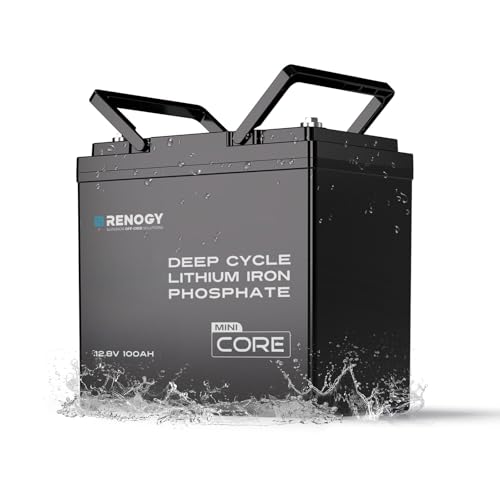
- Mini-size case fits tight battery spaces
- 100A BMS adds a safety-focused deep-cycle setup
- Remote monitoring compatibility for easier system checks
Best For: Cabin and RV owners who need a compact 12V lithium battery for off-grid use.
Best for Safe Solar Isolation
Solar Disconnect Switch 1000V 50A

- Clear cover for quick status checks
- IP65 weather-resistant enclosure
- Wall mount or DIN rail installation
Best For: RVs, cabins, and backup battery systems that need a rugged solar disconnect.
Best for Compact High-Capacity Builds
Renogy 12V 300Ah Mini LiFePO4 Battery
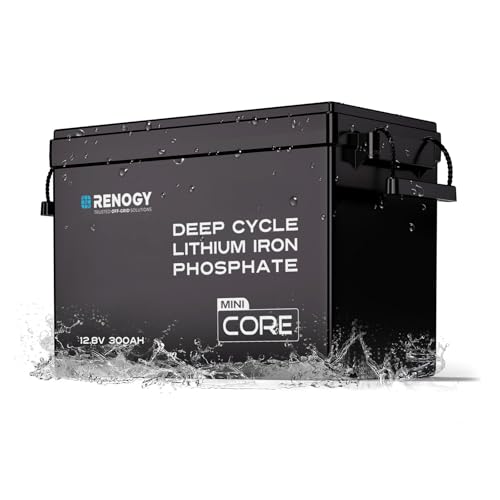
- 3,840Wh capacity in a compact 55.1 lb package
- 200A BMS with low-temperature cutoff protection
- 5,000+ cycle life and scalable up to 4S4P
Best For: Cabins, RVs, and off-grid systems that need big capacity in a smaller battery footprint.
Best for Long Runtime
NPP FT12-200AH 12V 200Ah AGM Battery

- 200Ah capacity for longer off-grid runtime
- Sealed AGM design needs no maintenance
- Low self-discharge suits storage between uses
Best For: Cabin, RV, and solar users who want a high-capacity AGM battery for steady off-grid power.
Best for 24V Off-Grid Systems

- 2.56kWh capacity with 24V output for cleaner wiring
- 100A BMS adds key protection for solar storage
- Lightweight LiFePO4 build with long cycle life
Best For: Cabin and RV owners building a 24V solar storage system.
Best for Big Off-Grid Banks
NPP NPG12-250Ah 12V 250Ah AGM Gel Battery

- 250Ah capacity with 3000Wh of storage
- Spill-proof AGM/VRLA gel design for flexible mounting
- Built for off-grid solar banks and wide temperature ranges
Best For: Cabin and solar users building a large deep-cycle battery bank with strong off-grid compatibility.
Best All-in-One Starter Kit
Complete Solar Inverter Kit 6000W 12V

- Includes inverter, solar panel, and charge controller
- Works with lead-acid and lithium batteries
- Portable for RVs, cabins, and emergency backup
Best For: Buyers who want a compact solar starter kit for backup power, RV trips, or a small cabin system.
Best for Cold-Weather Cabins
Renogy 12V 100Ah Self-Heating LiFePO4

- Self-heating for cold-weather charging
- Compact Group 22NF size fits tight spaces
- 100A BMS with 25+ safety features
Best For: Cabin owners and off-grid users who need dependable winter performance in a compact battery.
Best High-Capacity AGM
NPP 12V 250Ah AGM Deep Cycle Battery

- 1200+ cycles at 30% DOD
- 1500A surge for inverter loads
- Sealed, maintenance-free AGM build
Best For: Off-grid cabins and solar systems needing a large sealed deep-cycle battery.
Best Bluetooth Monitoring
Renogy 12V 100Ah LiFePO4 Battery

- Bluetooth app monitoring for easy status checks
- 100A BMS and IP67 waterproof housing
- Compact Group 24 size fits tighter spaces
Best For: Cabin, RV, and marine users who want a compact monitored lithium battery.
Best for Compact Installations – Renogy 12V 100Ah LiFePO4 Mini Battery
If you need off grid cabin batteries that save space without giving up dependable lithium performance, this Renogy 12V 100Ah LiFePO4 battery is a strong fit. Its mini-size design makes it easier to place in tight electrical closets, while the 100A BMS and remote monitoring compatibility add peace of mind for everyday off-grid use.
Best For: Cabins, RVs, and small off-grid systems where a compact 12V lithium battery is easier to install and manage.
Pros:
- Mini-size case is easier to fit in cramped battery bays and cabinets
- 100A BMS supports safer deep-cycle use for off-grid power setups
- LiFePO4 chemistry is a good match for long-term cabin backup power
- Remote monitoring compatibility helps keep tabs on battery status
Cons:
- Single-battery 100Ah capacity may be limiting for larger cabin loads
- Best results depend on compatible charging and system setup
For buyers comparing off grid cabin batteries, this Renogy model stands out more for its compact footprint and safe, practical design than for maximum capacity. It makes the most sense when install space is tight and you want a straightforward 12V lithium battery for steady everyday use.
Best for Safe Solar Isolation – Solar Disconnect Switch 1000V 50A
If you need a reliable way to isolate a solar array or battery bank, this PV disconnect switch is a practical fit for off grid cabin batteries and other small off-grid setups. It offers a clear visual cover, waterproof housing, and flexible mounting options that make routine shutoff simpler.
Best For: RVs, cabins, and home backup systems that need a weather-resistant DC disconnect with easy inspection and flexible installation.
Pros:
- Clear cover lets you verify switch status at a glance
- IP65-rated enclosure helps protect against dust and rain
- Works with wall mount or included 35mm DIN rail setup
- Comes with wiring hardware and mounting accessories
Cons:
- Installation still requires opening the enclosure for wiring
- May be more switch than needed for very small solar builds
For buyers comparing off grid cabin batteries, this is more about dependable isolation and installation flexibility than advanced electronics. It’s a solid utility upgrade if you want a rugged disconnect that can handle outdoor conditions and be checked quickly.
Best for Compact High-Capacity Builds – Renogy 12V 300Ah Mini LiFePO4 Battery
If you need off grid cabin batteries that pack serious storage into a smaller footprint, this Renogy 12V 300Ah Mini LiFePO4 stands out. It combines 3,840Wh of usable capacity, a 200A BMS, and low-temperature protection in a design that is lighter and more space-efficient than many comparable 300Ah options.
Best For: Cabins, RVs, boats, and backup power systems where space is tight but long runtime matters.
Pros:
- Compact 300Ah design saves space and weighs just 55.1 lbs.
- 200A BMS adds strong protection, including cold-weather cutoffs.
- Grade-A prismatic cells are rated for 5,000+ cycles and long service life.
- Supports large expandable systems up to 4S4P for higher-voltage setups.
Cons:
- Pricier than basic lead-acid and smaller-capacity lithium batteries.
- Cold-weather charging and discharge limits require planning in winter use.
- May be more battery than casual weekend cabin users need.
For buyers comparing off grid cabin batteries, this is a strong fit when you want high capacity without giving up too much room in the battery bay. It is especially appealing for cabins and mobile setups that need dependable deep-cycle storage and the flexibility to scale later.
Best for Long Runtime – NPP FT12-200AH 12V 200Ah AGM Battery
If you need off grid cabin batteries that can handle steady daily use, this NPP 12V 200Ah AGM battery is built around capacity, low maintenance, and sealed construction. It’s a practical fit for solar storage, backup power, and other setups where you want dependable runtime without routine watering or spill concerns.
Best For: Cabin owners, RV users, and solar builders who want a large-capacity AGM battery for reliable off-grid power storage.
Pros:
- 200Ah capacity delivers strong runtime for lights, small appliances, and backup loads
- AGM design is sealed, maintenance-free, and spill-proof
- Low self-discharge helps it hold charge during storage
- Works well in RV, solar, marine, and off-grid system setups
Cons:
- Heavy at 133.4 lbs, so installation and handling take effort
- Large size may not fit compact battery compartments
- Not a fast-lithium option for users prioritizing lighter weight
For buyers comparing off grid cabin batteries, this model stands out for its simple AGM upkeep and sizable reserve capacity rather than advanced tech. It’s a solid choice when you want a straightforward deep-cycle battery that can support long, steady use in a cabin or solar bank.
Best for 24V Off-Grid Systems – 24V 100Ah LiFePO4 Battery
If you want a compact, higher-voltage option for off grid cabin batteries, this 24V 100Ah LiFePO4 pack is built for efficient solar storage with less wiring hassle than a matched 12V setup. It delivers 2.56kWh of usable energy, includes a built-in 100A BMS, and is designed for stable daily cycling in RVs, cabins, and backup power systems.
Best For: Cabin owners and solar users who want a lightweight 24V battery with simple expansion potential.
Pros:
- 24V design reduces wiring complexity and supports efficient system builds
- Built-in 100A BMS for overcharge, over-discharge, and short-circuit protection
- Lightweight LiFePO4 construction with long cycle life for daily use
- Can be expanded in series/parallel for larger off-grid setups
Cons:
- Low-temperature charging protection means it needs suitable ambient conditions
- Not intended for starting engines or cranking applications
- Higher upfront cost than basic lead-acid batteries
For off grid cabin batteries, this model makes sense when you want a durable 24V platform that can scale with your solar array and reduce maintenance compared with lead-acid. Its main appeal is the mix of safety, cycle life, and easier system planning for medium-sized storage needs.
Best for Big Off-Grid Banks – NPP NPG12-250Ah 12V 250Ah AGM Gel Battery
If you want a high-capacity battery for off grid cabin batteries, this NPP 12V 250Ah gel model is built for storage-heavy setups rather than small backup jobs. It’s a practical fit for solar cabins, RVs, boats, and wind systems that need steady deep-cycle performance and the ability to scale into 24V, 36V, or 48V banks.
Best For: Cabin and solar buyers building a large deep-cycle battery bank who want strong capacity, spill-proof construction, and broad compatibility with off-grid charging gear.
Pros:
- Large 250Ah capacity with 3000Wh of energy for longer runtimes
- AGM/VRLA gel construction is spill-proof and can be mounted in any position
- Designed for off-grid solar banks and compatible with inverters, MPPTs, and chargers
- Low self-discharge and wide temperature tolerance suit seasonal cabin use
Cons:
- Very heavy at 164.2 lbs, so installation is not easy
- Single-battery price may be high versus smaller 12V options
- Overkill for compact cabins or light-duty backup needs
For off grid cabin batteries, this is a strong pick if you care more about usable storage and bank-building flexibility than portability. Its size and weight make it a commitment, but the deep-cycle capacity and spill-proof design are exactly what larger off-grid systems need.
Best All-in-One Starter Kit – Complete Solar Inverter Kit 6000W 12V
If you want a simple entry point into off-grid power, this bundled kit gives you the core pieces in one package: inverter, solar panel, and charge controller. It is a practical fit for light backup needs, RV use, and small cabin setups where you’re pairing solar charging with off grid cabin batteries.
Best For: Buyers who want a compact, beginner-friendly solar starter kit for backup power, RV trips, or a small cabin system.
Pros:
- All-in-one bundle reduces guesswork for first-time solar setups
- Charge controller supports lead-acid and lithium batteries
- Portable design works well for camping, emergencies, and cabins
- Weather-resistant panel adds durability for outdoor use
Cons:
- Panel output is modest for larger off-grid loads
- Continuous inverter output is much lower than the peak rating
- Better suited to small systems than whole-cabin power needs
For off grid cabin batteries, this kit makes more sense as a charging and backup solution than a full-scale power plant. It’s a sensible pick if you need an affordable, portable way to keep essentials running without building a complex system from scratch.
Best for Cold-Weather Cabins – Renogy 12V 100Ah Self-Heating LiFePO4
If you need reliable off grid cabin batteries that can handle freezing conditions, this Renogy 12V 100Ah LiFePO4 stands out for its self-heating design, compact footprint, and built-in protection. It’s a practical choice when space is tight and winter charging is part of the equation.
Best For: Cabins, ice fishing setups, RVs, and other off-grid systems that need dependable cold-weather charging and a smaller battery size.
Pros:
- Self-heating DuoHeat tech helps the battery charge in low temperatures.
- Compact Group 22NF size saves space in cramped battery compartments.
- 100A BMS and 25+ safety features support secure daily use.
- LiFePO4 cells are rated for 5,000+ cycles at 80% depth of discharge.
Cons:
- Higher upfront cost than basic lead-acid alternatives.
- 100Ah may require pairing with additional batteries for larger cabin loads.
This is a strong fit if your off grid cabin batteries need winter-ready charging and a smaller form factor without giving up modern lithium performance. It’s especially appealing for buyers who want a safer, longer-lasting upgrade for seasonal or year-round off-grid power.
Best High-Capacity AGM – NPP 12V 250Ah AGM Deep Cycle Battery
If you need off grid cabin batteries that prioritize runtime, sealed safety, and strong surge output, this NPP 12V 250Ah AGM battery is built for exactly that job. Its large capacity, maintenance-free design, and wide operating range make it a practical fit for cabins, solar banks, RVs, and backup inverter systems.
Best For: Off-grid cabins and solar setups that need a large, sealed deep-cycle battery with solid surge power and low upkeep.
Pros:
- True 12V 250Ah capacity with 1200+ cycles at 30% DOD
- Sealed AGM/VRLA construction for spill-proof, maintenance-free use
- High 1500A surge capability suits inverters and heavy loads
- Works across a wide temperature range for cabin and backup installs
Cons:
- Very heavy at 164.2 lbs, so installation can be difficult
- Ships by freight, which adds delivery coordination
- AGM is reliable, but not as lightweight as lithium alternatives
For buyers comparing off grid cabin batteries, this model stands out when you want dependable sealed lead-acid performance, strong short-burst power, and a lower-maintenance setup. It is especially appealing for users who value proven AGM durability over newer battery chemistries.
Best Bluetooth Monitoring – Renogy 12V 100Ah LiFePO4 Battery
If you want a compact lithium upgrade for off grid cabin batteries, this Renogy 12V 100Ah model is a practical option for light-to-moderate loads. Its LiFePO4 chemistry, Bluetooth monitoring, and sealed IP67 design make it easier to track performance and place in tougher environments than a typical lead-acid battery.
Best For: Cabin owners, RV users, and boat owners who want a monitored 12V lithium battery with solid weather resistance.
Pros:
- Bluetooth app support makes charge and health monitoring easy
- 100A BMS helps protect against common battery faults
- IP67 waterproof rating suits damp or exposed installations
- Group 24 size is easier to fit in tighter battery compartments
Cons:
- 100Ah capacity may be small for larger off-grid power banks
- Higher upfront cost than basic AGM or flooded batteries
For buyers comparing off grid cabin batteries, this Renogy pack stands out more for convenience and durability than maximum storage. It is a smart fit when you want a manageable lithium battery that balances monitoring, protection, and a compact footprint.
How We Picked the Best Off Grid Cabin Batteries
We focused on batteries and power components that suit cabin-style off-grid systems: deep-cycle chemistry, usable capacity, long cycle life, safe battery management, and compatibility with solar charging and backup power. We also considered form factors that are easier to install in tight spaces and options that support monitoring or cold-weather use.
Quick Comparison
For most cabins, LiFePO4 is the best choice for efficiency, lighter weight, and longer lifespan. AGM and gel batteries can still make sense for simpler installs, colder environments, or buyers who want a more familiar sealed lead-acid approach. High-capacity systems are better for whole-cabin loads, while smaller 100Ah batteries work well for lights, phones, radios, and modest inverter use.
Key Buying Factors for Off Grid Cabin Batteries
Battery Chemistry
LiFePO4 batteries usually offer the best long-term value because they can handle many more cycles and provide more usable capacity per rated amp-hour. AGM and gel batteries are often cheaper upfront and may be easier for conservative builds, but they are heavier and typically deliver fewer usable cycles.
Capacity and Voltage
Match voltage to your system first, then size capacity around your daily load. A 12V setup is common for smaller cabins and starter systems, while 24V can improve efficiency in larger installs with higher inverter demand. If you run appliances, tools, or refrigeration, higher amp-hour ratings matter more than raw marketing claims.
Temperature and Environment
If your cabin gets cold, look for low-temperature protection or self-heating features. Cold climates can limit charging on lithium batteries if those safeguards are missing. For damp, dusty, or exposed spaces, water resistance, sealed construction, and corrosion-resistant terminals are worth prioritizing.
Charging, Monitoring, and Expansion
Check that the battery works with your charge controller, inverter, and solar array. Features like Bluetooth monitoring, remote tracking, and BMS protection can make system management easier. If you plan to grow over time, choose a battery platform that supports parallel or series expansion in a way that matches your future wiring plan.
Who Should Buy Which Off Grid Cabin Batteries?
If you want the best all-around choice for Off Grid Cabin Batteries, a LiFePO4 model is usually the smart starting point. Choose a larger AGM or gel battery if you prefer a sealed, lower-maintenance option and are building a simpler system on a tighter budget. Pick a 24V battery when you need better inverter performance or want to reduce current draw in a larger cabin system. If your setup includes solar and backup power from day one, a complete inverter-and-panel kit can shorten the learning curve and help you build a coordinated system faster.
In short, size the battery to your real daily loads, choose chemistry based on climate and budget, and prioritize protection features that fit how you actually use your cabin.