Kids toddler bike helmet is a practical buy if you want a helmet that can cover biking and a few other wheeled activities without overcomplicating the choice.
This Kids Toddler Bike Helmet review focuses on fit, sizing, and the value of its simple, adjustable design.
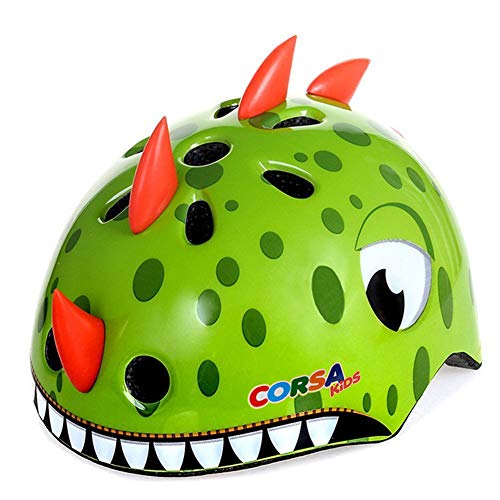
Toddler Bike Helmet Review Summary
The Kids Toddler Bike Helmet is best understood as a straightforward, safety-first helmet for families who want one piece of gear that can move between cycling, skating, skateboarding, and scooter use.
The listing points to a rugged PC outer shell, high-density EPS foam, 11 vents, and an adjustable rear dial and chin straps, which makes the product appealing for parents who care more about fit and coverage than flashy extras.
It is especially relevant if you are shopping for a child who is still growing and may need a helmet that can be sized carefully.
The two-size approach, interchangeable pads, and multi-sport positioning make it a sensible option for toddlers and young kids who use different outdoor equipment over time.
Review Scorecard
| Category | Score | Why it scores this way |
|---|---|---|
| Safety focus | 8/10 | The listing emphasizes CPSC compliance, extended head coverage, and a hard shell with EPS foam. |
| Fit adjustment | 9/10 | A rear dial, chin straps, and interchangeable pads help the helmet adapt as head shape and growth change. |
| Ventilation | 7/10 | Eleven vents should help airflow, though the listing does not suggest premium cooling tech. |
| Versatility | 8/10 | It is designed for cycling, skating, skateboarding, scooter use, and similar activities. |
| Size coverage | 9/10 | Two size ranges and pad options make it more flexible than a single fixed-size youth helmet. |
| Simplicity | 8/10 | The design is easy to understand and low on unnecessary complexity. |
| Giftability | 7/10 | The listing explicitly frames it as a birthday, holiday, or seasonal gift option. |
Bottom line: this is a good fit for families who want a basic, adjustable kids helmet with broad activity coverage. It is less about premium styling and more about getting the right fit, comfort, and compliance-minded construction.
Key Features and Specifications of Toddler Bike Helmet
The core appeal of this helmet is its practical construction.
The listing describes a rugged PC outer shell paired with high-density EPS foam, which is the standard kind of safety-minded build buyers expect in a dependable kids helmet.
It also states that the helmet complies with the U.S.
Consumer Product Safety Commission safety standard for bicycle helmets for persons age 1 and older, with extended head coverage.
The size range is one of the most important buying details.
The listing gives two size families:
- X-Small: 44-50 cm, suitable for age 1-2 / 1-3 babies
- Small: 50-54 cm, suitable for age 2-4 / 3-5 toddler girls and boys
- Medium: 54-58 cm, suitable for age 6 and older kids
That spread matters because helmet fit is not just about age.
A child’s head size, hair volume, and comfort preference often matter more than a rough age bracket, so the extra sizing information helps reduce guesswork.
The helmet also includes:
- 11 vents for airflow
- Adjustable rear dial
- Adjustable chin straps
- 2 sets of interchangeable pads, 7 mm and 10 mm
- Multi-sport use for cycling, skating, skateboarding, scooter riding, and similar activities
In practice, those features point to a helmet meant to be worn regularly instead of only when a child happens to remember it.
Good fit and enough airflow are the two details most likely to influence whether kids accept a helmet, and this model addresses both directly.
Pros and Cons of Toddler Bike Helmet
Pros
- Strong adjustability: the rear dial, chin straps, and interchangeable pads give parents several ways to improve fit.
- Broad age coverage: multiple size ranges make it easier to match the helmet to a growing child.
- Multi-sport usefulness: one helmet can cover several wheeled activities instead of only biking.
- Safety-oriented construction: the hard shell and EPS foam construction are aligned with typical protective helmet design.
- Ventilation included: 11 vents is a meaningful practical detail for comfort.
Cons
- Not a premium feature-heavy helmet: the listing focuses on fundamentals rather than advanced materials or specialty tech.
- Sizing still requires care: the age guidance helps, but head measurement is still important.
- Style is secondary: buyers looking for a highly branded or fashion-forward kids helmet may want something more distinctive.
- Limited evidence beyond the listing: the available information supports the features, but not long-term durability claims.
Overall, the pros are concentrated in the areas that matter most for a child’s helmet: fit, comfort, and basic protective build.
The tradeoff is that this is a functional product first, not a feature showcase.
Who Should Buy Toddler Bike Helmet?
This helmet is a strong candidate for parents who want one adjustable helmet for a young child who uses more than one kind of wheeled ride-on.
If your child bikes, uses a scooter, skates, or is moving between these activities, the multi-sport positioning is a real advantage.
It also makes sense if you have struggled with helmets that are close to fitting but not quite right.
The combination of size options, rear dial adjustment, chin strap adjustment, and two pad sets gives you more room to fine-tune the fit than a bare-bones helmet would.
You should probably skip it if you want a helmet with specialized performance features, a more premium shell system, or a strong design identity.
The listing reads as practical and safety-focused, not as a technical or lifestyle helmet.
Parents of very young children should also be careful to match the actual head measurement to the right size rather than relying on the age range alone.
That is true of any kids helmet, but it matters even more when choosing between X-Small and Small.
Fit, Comfort, and Everyday Use
Why the adjustable system matters
For kids helmets, fit is the real product.
A helmet can look good on paper and still fail if it sits too high, shifts when the child turns their head, or feels uncomfortable enough that they refuse to wear it.
The rear dial and chin straps give this model the basic tools needed to solve those problems.
What the ventilation suggests
The 11-vent layout suggests a helmet that is meant to stay usable during warmer weather and active play.
The listing does not promise advanced cooling, but it does show attention to airflow, which is helpful for younger children who may wear a helmet for longer stretches.
Why the pad set is useful
The included 7 mm and 10 mm pads are a small detail with outsized value.
They can help refine the interior fit, compensate for head shape differences, and extend usability as a child grows.
That kind of practical adjustment is often the difference between a helmet that gets used and one that sits in a closet.
Where the design is most sensible
This helmet looks best for everyday family use rather than competitive sports.
It is aimed at biking, scooter riding, skating, and similar activities, which makes it a flexible household option when one child has several ways to play outdoors.
Alternatives to Toddler Bike Helmet
If you want a comparable kids helmet from a well-known lineup, look at Giro youth helmets.
Giro is a common place to start for families who want recognizable bike-gear branding and broad helmet selection.
Another credible option is Bell kids helmets, which often appear in search results for parents comparing basic youth bicycle helmets with familiar sports-safety branding.
For multi-sport use, Schwinn kids helmets are worth checking because many buyers shop the brand when they want a simple, widely available helmet for everyday riding.
If your child will use the helmet more for skating or scooter activity, Raskullz kids helmet can be a more style-driven alternative that still targets the same general age group.
The best alternative depends on whether you care most about brand familiarity, fit options, or visual design.
This helmet’s edge is not one dramatic feature but the combination of adjustable fit and broad activity coverage.
Is Toddler Bike Helmet Worth It?
Yes, the Kids Toddler Bike Helmet is worth considering if your main goal is a practical, adjustable, multi-sport kids helmet.
The listing supports the essentials: CPSC-aligned bicycle helmet compliance, extended head coverage, a rugged shell with EPS foam, 11 vents, and adjustment features that help parents get the fit right.
It is especially worthwhile for families with growing children, mixed riding habits, or a need for one helmet that can serve different outdoor activities.
If you want the safest buying path, measure the child’s head carefully, choose the right size band, and treat the adjustment features as part of the purchase decision rather than extras.
If you want a simple verdict, this is a good buy for parents who value fit, flexibility, and straightforward protection over premium styling.