When you head beyond cell service, a reliable distress beacon can make all the difference. The right personal locator beacons help shorten rescue times by sending your location and emergency alert when every minute matters.
Below, we’ve rounded up 10 of the best options for hikers, boaters, paddlers, and backcountry travelers who want dependable emergency signaling with features that match their activity and risk level.
Best 10 Personal Locator Beacons Picks for 2026
Best Subscription-Free PLB

- No subscription fees or ongoing rescue-monitoring costs
- 406 MHz distress signal with GPS/Galileo location data
- LED and infrared strobes aid nighttime visibility
Best For: Outdoor adventurers who want a subscription-free PLB with global coverage.
Best for U.S. Programming

- U.S.-specific programming for domestic buyers
- Compact, easy-to-carry emergency beacon
- Simple, dedicated PLB operation
Best For: U.S. buyers who want a straightforward personal locator beacon for backcountry or offshore emergencies.
Best for Buoyancy
ACR ResQLink View Buoyant GPS PLB
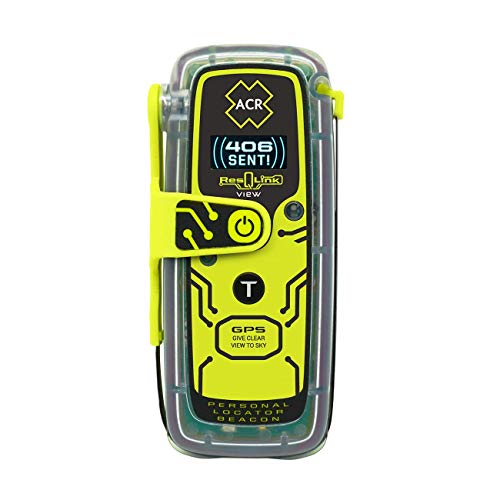
- Buoyant, rugged, and lightweight for outdoor use
- 406 MHz distress signal with GPS and 121.5 MHz homing
- No subscription required for emergency alerts
Best For: Hikers, boaters, and adventurers who want a buoyant no-fee rescue beacon.
Best for Compact Emergency Carry
Ocean Signal rescueME PLB1 Beacon

- 30% smaller than Ocean Signal’s next smallest beacon
- One-handed activation with lifejacket attachment clip
- 7-year battery and 24+ hours of operation
Best For: Outdoor users who want a tiny, no-subscription PLB for fast emergency activation.
Best for Carrying Gear
ACR PLB & Bivy Stick Accessory Pouch

- Fits ACR ResQLink PLBs and Bivy Stick devices
- Carabiner and Velcro attachment for easy mounting
- Protective pouch with added belt-clip versatility
Best For: Outdoor users who need a secure, quick-access carry pouch for a compatible ACR beacon or communicator.
Best with Return Link Confirmation

- RLS confirms the emergency signal was received
- Digital display with infrared strobe improves visibility
- No subscription, 5-year battery, and 28+ hours of runtime
Best For: Outdoor users who want a compact no-subscription beacon with rescue confirmation.
Best Emergency Survival Kit

- GPS beacon for quick, precise rescue response
- Includes strobe, whistle, mirror, and dry bag
- Compact kit for boating, hiking, and backcountry use
Best For: Outdoor users who want a compact personal locator beacon plus essential survival extras.
Best Dual-Channel Emergency Signal

- AIS plus 406 MHz satellite distress signaling
- Return Link Service confirms rescue receipt
- NFC app access and included accessory clips
Best For: Boaters and offshore users who want local AIS visibility alongside global emergency signaling.
Best for Complete Offshore Safety
ACR ResQLink View GPS Beacon Kit

- GPS-enabled PLB for faster location transmission
- Includes strobe, whistle, mirror, and drybag
- Strong choice for boating and remote travel
Best For: Boat, offshore, and remote-area users who want a complete emergency signaling kit.
Best for Verified Distress Alerts

- RLS confirms search and rescue received your alert
- No subscription, 5-year battery, 24+ hours of operation
- GPS/Galileo and MEOSAR support for global emergency coverage
Best For: Outdoor users who want a lightweight PLB with confirmation that their distress signal was received.
Best Subscription-Free PLB – ACR ResQLink 400 SOS Beacon
If you want one of the more dependable personal locator beacons for backcountry or offshore emergencies, the ACR ResQLink 400 is built around fast satellite distress signaling, GPS/Galileo positioning, and no ongoing subscription fees. It’s a practical pick for hikers, boaters, hunters, and anglers who want straightforward emergency coverage without extra monthly costs.
Best For: Outdoor users who want a subscription-free emergency beacon with global satellite coverage and precise location reporting.
Pros:
- No subscription required, so there are no recurring rescue-monitoring fees.
- 406 MHz distress signal plus GPS/Galileo GNSS helps rescuers pinpoint your location.
- LED and infrared strobes improve visibility in low-light and nighttime rescues.
- Global Cospas-Sarsat/MEOSAR support adds broad emergency coverage.
Cons:
- It’s a single-purpose safety device, not a communication or navigation tool.
- Higher upfront cost than non-satellite emergency options.
For buyers comparing personal locator beacons, this model stands out for combining subscription-free ownership with strong positioning features and worldwide rescue network support. It’s a solid choice if reliability and simplicity matter more than extra bells and whistles.
Best for U.S. Programming – McMurdo FastFind 220 PLB
If you want a straightforward option in personal locator beacons, the McMurdo FastFind 220 is built around U.S.-specific programming and a compact, no-frills emergency signal package. It’s a practical pick for boaters, hikers, and remote-area travelers who want dependable distress signaling without extra complexity.
Best For: U.S. buyers who want a simple, purpose-built PLB for backcountry or offshore emergency use.
Pros:
- U.S. programming makes setup straightforward for domestic users
- Compact design is easy to carry on a vest, pack, or PFD
- Focused emergency functionality keeps operation simple in a crisis
Cons:
- Not as feature-rich as higher-end satellite communicators
- Limited to emergency beacon use rather than two-way messaging
For buyers comparing personal locator beacons, the FastFind 220 stands out as a simple, dedicated safety tool rather than a multi-function device. That makes it a smart fit if reliability and ease of use matter more than extra features.
Best for Buoyancy – ACR ResQLink View Buoyant GPS PLB
If you want a compact emergency beacon for offshore trips, remote hikes, or any serious backcountry outing, the ACR ResQLink View is one of the most capable personal locator beacons to consider. It sends a 406 MHz distress signal with GPS coordinates directly to search and rescue, with no subscription required.
Best For: Hikers, boaters, and outdoor adventurers who want a buoyant, no-fee rescue beacon with global coverage.
Pros:
- Buoyant, rugged, and lightweight for hiking, boating, camping, and RV travel
- Uses 406 MHz with 121.5 MHz homing plus GPS for fast rescue targeting
- No subscription required for emergency distress signaling
- Includes bright LED and infrared strobes for extra visibility
Cons:
- Not a casual safety gadget; it’s built for true emergency use
- Optional testing subscription is needed for message-based self-tests
For buyers comparing personal locator beacons, this model stands out for its buoyant design, strong satellite coverage, and straightforward emergency-only operation. It’s a smart pick if you want reliable signaling without ongoing monitoring fees.
Best for Compact Emergency Carry – Ocean Signal rescueME PLB1 Beacon
If you want personal locator beacons that are easy to carry without sacrificing core emergency features, the Ocean Signal rescueME PLB1 is built for exactly that job. Its tiny size, one-handed activation, and long battery life make it a practical choice for hikers, boaters, paddlers, and anyone who wants a no-subscription distress beacon on hand.
Best For: Users who want a compact, lightweight PLB with simple operation and long standby life.
Pros:
- Very compact and lightweight at just 4 oz, with a lifejacket mounting clip
- One-handed operation helps in stressful or cold-weather emergencies
- 24+ hours of operation plus a 7-year battery for long-term readiness
- Waterproof to 49 feet with GPS and a high-intensity strobe
Cons:
- PLB-specific use means it’s not as feature-rich as some sat-com devices
- No subscription is great, but it also means fewer two-way communication features
For buyers comparing personal locator beacons, this model stands out for portability and straightforward emergency use. It’s a strong pick if you prioritize minimal bulk, long shelf life, and reliable distress signaling over extra smart features.
Best for Carrying Gear – ACR PLB & Bivy Stick Accessory Pouch
If you want a simple way to mount and protect personal locator beacons during hikes, boating, or other outdoor travel, this ACR pouch and carabiner strap keeps your device close at hand. It works with the ACR Bivy Stick and ACR ResQLink PLB series, and gives you multiple attachment options for packs, life jackets, and outerwear.
Best For: Adventurers who want a quick-access carry solution for a PLB or satellite communicator.
Pros:
- Compatible with ACR Bivy Stick and ResQLink Personal Locator Beacon models
- Carabiner with Velcro makes it easy to attach to backpacks, life jackets, or jackets
- Protective pouch adds a layer of coverage while still keeping the device accessible
- Belt attachment expands mounting options beyond pack straps
Cons:
- Only useful if you already own a compatible ACR device
- Does not include a PLB or Bivy Stick
- More of an accessory than a full carry system
For buyers comparing personal locator beacons accessories, this is a practical add-on that improves portability and access without adding much bulk. It’s a smart fit if your priority is keeping a beacon or communicator secured and ready to grab in the field.
Best with Return Link Confirmation – ACR ResQLink View RLS Beacon
If you want one of the more reassuring personal locator beacons for remote travel, the ACR ResQLink View RLS adds a clear digital display, global GPS coverage, and Return Link Service so you know your distress signal was received.
Best For: Hikers, boaters, hunters, and other outdoor users who want a compact no-subscription beacon with confirmation that rescue services got the alert.
Pros:
- Return Link Service confirms distress signal receipt for added peace of mind
- Digital display and infrared strobe improve visibility and status checking
- No subscription required with a 5-year battery and 28+ hours of runtime
- GPS, Galileo GNSS, and MEOSAR support provide broad global coverage
Cons:
- Pricier than basic beacons without a display or RLS
- Designed for emergencies only, so it has limited everyday utility
For buyers comparing personal locator beacons, this model stands out for its confirmation feature and easy-to-read display, making it a strong pick when reliability and signal visibility matter most.
Best Emergency Survival Kit – ACR ResQLink 400 GPS PLB Kit
If you want personal locator beacons with extra hands-on signaling tools, this ACR ResQLink 400 kit is a smart pick. It pairs a compact GPS beacon with a strobe light, whistle, dry bag, and signal mirror, giving you a more complete emergency signaling setup for boating, hiking, and backcountry travel.
Best For: Outdoor users who want a compact personal locator beacon plus a few essential survival extras in one kit.
Pros:
- GPS-enabled beacon designed for fast, accurate rescue response
- Includes a strobe light, whistle, mirror, and dry bag for added signaling options
- Compact survival kit format is easy to pack and keep accessible
Cons:
- More of a kit bundle than a bare-bones beacon-only purchase
- Extra accessories add value, but may be unnecessary for minimalists
For buyers comparing personal locator beacons, this kit stands out because it goes beyond the beacon itself and helps cover backup visibility and signaling needs. That makes it especially practical if you want a ready-to-go emergency setup instead of assembling accessories separately.
Best Dual-Channel Emergency Signal – ACR RESQLINK AIS PLB-450
The ACR RESQLINK AIS PLB-450 is a strong fit for buyers comparing personal locator beacons that add both global satellite distress signaling and local AIS visibility. It combines 406 MHz COSPAS-SARSAT emergency alerting with 121.5 MHz homing, plus AIS and Return Link Service for added confirmation and nearby rescue awareness.
Best For: Boaters, offshore anglers, and paddlers who want a compact beacon with global coverage, local AIS alerting, and no subscription fee.
Pros:
- AIS distress alerts can be seen by nearby vessels with AIS receivers or plotters.
- Return Link Service confirms when Search and Rescue receives the distress signal.
- NFC mobile access makes it easy to check battery, tests, activation time, and GNSS data.
- Includes strobe and infrared strobe lights, plus a lightweight design and accessory clips.
Cons:
- AIS visibility depends on nearby vessels and working AIS equipment.
- More advanced features may be more than casual inland users need.
- Requires proper mounting or clip setup for best integration with a PFD.
For personal locator beacons, this model stands out because it bridges satellite rescue alerts with local AIS signaling, giving you more ways to be noticed in an emergency. If you want a beacon that feels modern, compact, and better suited to marine use, this is an easy one to shortlist.
Best for Complete Offshore Safety – ACR ResQLink View GPS Beacon Kit
If you want one of the most capable personal locator beacons for serious emergency preparedness, this ACR kit adds more than just satellite distress signaling. It combines a GPS-enabled PLB with visual backup tools and waterproof storage, making it a practical grab-and-go option for boating, fishing, and remote travel.
Best For: Boaters, offshore anglers, and outdoor users who want a full emergency signaling kit, not just a beacon.
Pros:
- GPS-enabled ResQLink View beacon helps transmit location details for faster rescue response.
- Includes useful backup signaling gear like a strobe light, whistle, and signal mirror.
- RapidDitch drybag helps keep critical emergency items protected and organized.
Cons:
- More expensive than a bare-bones beacon-only setup.
- Best suited to users who will actually carry and maintain the full kit.
This is a strong pick if you want personal locator beacons with real-world redundancy built in. The added visual and audible signaling tools make it easier to be seen and heard when conditions are poor or visibility is limited.
Best for Verified Distress Alerts – ACR ResQLink 410 RLS Beacon
If you want one of the most reassuring personal locator beacons for remote trips, the ACR ResQLink 410 RLS focuses on fast distress signaling and confirmation that help is on the way. It combines GPS/Galileo positioning, global MEOSAR compatibility, and a no-subscription design for dependable emergency use.
Best For: Hikers, boaters, hunters, and anglers who want a lightweight beacon with return-link confirmation.
Pros:
- RLS confirms your distress signal was received by search and rescue
- No subscription required, with a 5-year battery and 24+ hours of runtime
- GPS, Galileo GNSS, and MEOSAR support for broad global coverage
- Built-in buoyancy, strobe/IR lights, and a multifunction clip system
Cons:
- Not a casual safety device; it is mainly for true emergency use
- Higher upfront cost than basic distress beacons
This is a strong pick if you want personal locator beacons with added peace of mind from return-link feedback and premium positioning support. It is especially appealing for outdoor users who need a compact beacon they can carry anywhere and trust in serious emergencies.
How We Picked the Best Personal Locator Beacons
We focused on rescue reliability first: GPS capability, approved distress signaling, battery life, waterproof durability, buoyancy where relevant, and coverage for the regions where you travel. We also looked for models that are easy to activate in a real emergency, since simplicity matters when stress is high.
Extra features such as return link service, digital displays, and bundled survival accessories can be useful, but we treated them as bonuses rather than substitutes for core emergency performance.
Quick Comparison
At a glance, the main differences among Personal Locator Beacons come down to portability, battery endurance, display visibility, and service features. Smaller units are easier to carry every day, while larger models may add more ergonomic controls or screen-based confirmation. If you want the most straightforward rescue signaling, prioritize the basics: accurate GPS, strong battery life, and globally recognized distress transmission.
Key Buying Factors for Personal Locator Beacons
Coverage and Activation
Make sure the beacon is designed for the regions you travel and that activation is simple under pressure. Global coverage is ideal for frequent travelers and offshore users.
GPS and Confirmation Features
Built-in GPS improves location accuracy. Return link service or similar confirmation features can provide extra peace of mind by letting you know the distress message was received.
Battery Life and Maintenance
Look for long shelf life and clear replacement or service intervals. A beacon is only useful if it’s ready when needed, so routine checks are essential.
Durability and Form Factor
Water resistance, buoyancy, compact size, and secure clips all matter depending on your activity. Boaters may prefer floatable designs, while hikers often value smaller, pocket-friendly units.
Who Should Buy Which Personal Locator Beacons?
Backcountry hikers and climbers should focus on compact, lightweight Personal Locator Beacons with strong GPS performance. Boaters and paddlers may benefit from buoyant models and easy-to-grip designs. Frequent travelers or users in remote regions should consider units with global coverage and return confirmation features. If you want extra readiness, survival kits and accessory pouches can help keep the beacon protected and accessible, but they should complement the beacon rather than replace core signal capability.
In short, choose the model that fits your environment, your pack space, and your rescue priorities. The best Personal Locator Beacons are the ones you can carry consistently, activate quickly, and trust when communication fails.